Simple Ways to Make Long Car Journeys More Comfortable
Long drives can be rewarding—scenic routes, fewer logistics than flights, and the freedom to stop when you want. But comfort is essential to keep everyone in the car safe, alert, and content for the duration.
Small upgrades to routine, gear, and habits make a huge difference. Start with a focus on wellbeing and a few smart additions, and the miles will feel shorter. For travel-focused wellness ideas, consider browsing Wellness & Self-Care.
Prepare the Car and Yourself
Before you leave, check tire pressure, fluids, and windshield wipers. Organize essentials within reach: a trash bag, a small first-aid kit, phone chargers, and a compact blanket. A tidy cabin reduces stress and helps everyone settle in faster—look for useful travel gear in Home Essentials if you want multi-use items like blankets, organizers, and storage bins.
Comfortable Seating and Support
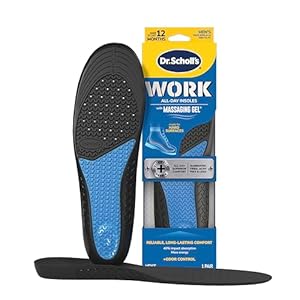
Seat position is key: adjust lumbar support, seat height, and steering wheel so you’re not reaching or twisting. Add simple accessories—cushioned lumbar supports, memory foam seat pads, or supportive insoles if you’ll be on/off the pedals during stops. For foot comfort and arch support during long drives and frequent stops, consider products like Dr. Scholl’s Work All-Day insoles.
Smart Tech and Reliable Power
Entertainment and navigation rely on charged, easy-to-use devices. Pack a car charger with multiple ports, a compact power bank, and cable clips to keep cords tidy. Offline maps and playlists reduce data issues in remote areas. For a range of travel-friendly electronics, check Tech & Gadgets to find chargers, mounts, and portable power solutions.
Audio Options and Noise Control
Good audio makes time fly. Create multiple playlists (driving, podcasts, children’s stories) before you go so you can switch quickly without streaming. Noise control is equally important: consider soft natural sounds for relaxation, or noise-cancelling headphones for passengers who want to nap. Browse sound and entertainment equipment at Audio & Television for options that fit the car environment.
Stay Fresh: Personal Care on the Road
Pack a compact kit for quick refreshes: hand sanitizer, facial wipes, dry shampoo, moisturizer, lip balm, and deodorant. A small toiletry kit saves time at rest stops and keeps you comfortable between overnight stays. Shop compact personal-care travel items in Personal Care.
Keep Kids Comfortable and Engaged
Plan for boredom: rotating activities (coloring, audiobooks, travel games) work better than one big toy. Bring a few new small toys or games as “surprise” rewards for good behavior. For kid-friendly entertainment and travel games, explore options in Toys & Games. If traveling with infants, include extra layers, favorite blankets, and a clear schedule of breaks for feeding and changing.
Rest and Sleep Strategies
When journeys last into the evening, plan comfortable rest options. A supportive travel pillow, a lightweight blanket, and eye masks make dozing in the passenger seat possible. If you or passengers are sensitive to motion, consider calming scents or travel-friendly sleep aids (non-prescription) and techniques like progressive muscle relaxation. For calming, travel-suitable items and sleep aids, look at Stress Relief & Sleep Aids.
Packing and Organization Tips
Use packing cubes or small totes to separate snacks, electronics, and clothes. Keep an easily accessible “stop bag” with sunglasses, sunscreen, and quick snacks. Labeling or color-coding bags speeds up pit stops and keeps the trunk uncluttered. A well-organized car reduces friction and makes quick changes painless.
Quick Comfort Checklist
- Adjust seat, mirrors, and steering wheel before you start.
- Pack a compact personal-care kit (wipes, sanitizer, moisturizer).
- Charge devices and bring spare cables and a power bank.
- Rotate entertainment: playlists, podcasts, audiobooks, games.
- Schedule regular breaks every 1.5–2 hours for movement and restroom stops.
- Keep healthy snacks and water easily accessible.
- Have a small pillow and blanket for passenger naps.
FAQ
Q: How often should we stop on a long drive?
A: Aim for a 10–15 minute break every 90–120 minutes. Short walks, stretching, and fresh air restore focus and circulation.
Q: What snacks travel best?
A: Choose non-messy, low-sugar options: nuts, whole-fruit like apples, cut veggies, protein bars, and sandwiches wrapped in reusable containers.
Q: How can I minimize motion sickness?
A: Sit in the front seat or focus on the horizon, avoid heavy meals before driving, stay hydrated, and use ginger or acupressure bands if those help you. Fresh air and avoiding intense visual motion (fast-cut videos) can also reduce symptoms.
Q: What tech helps drivers stay safe?
A: Hands-free phone setups, a reliable phone mount, offline maps, and a quality charger all improve safety. Keep audio controls reachable to avoid distractions.
Q: How can I keep the car tidy with kids?
A: Use small trash bags, designate a bin for toys, and rotate activities so only a few items are out at a time. Snack trays and wet-wipes reduce sticky messes quickly.
Conclusion
Comfort on long car journeys comes from preparation: adjust seating, pack a few thoughtful items, plan breaks, and bring simple tech and entertainment. Implement these practical tips, and even the longest trips will feel more relaxed and manageable.
Products Featured in This Article