
Lower back tightness is a common complaint for people who sit for long periods, lift awkwardly, or sleep in an unsupported position. The good news: you can reduce tension with short, targeted stretches you can do at home in 5–15 minutes.
Below are practical, easy-to-follow techniques, setup tips, and sensible aftercare to help you loosen your lower back safely. Use them regularly and pay attention to how your body responds.
Why your lower back feels tight
Tightness often comes from muscular guarding, overused hip muscles, or hamstrings that pull on the pelvis. Reduced movement or prolonged sitting can make small imbalances feel like chronic stiffness. For gentle products and self-care ideas that support a daily routine, consider browsing Wellness & Self-Care.
Set up your space and gear
Choose a firm, flat surface with room to lie and move. A yoga mat or folded blanket under your back helps you feel stable; a small pillow under the knees can reduce strain. Simple household items can work well—check options for mats and supportive home items under Home Essentials.
Warm up and safety checks
Warm for 1–3 minutes with gentle marching in place, pelvic tilts, or walking around the room. Stop any movement that causes sharp or radiating pain. If you use topical heat or want guidance on general self-care for aches, see practical items in the Personal Care category.
Simple stretches to relieve tightness
Perform each stretch slowly, hold 20–45 seconds, and repeat 2–3 times if it feels good. Breathe steadily; never force a movement. These stretches are practical and low-risk when done gently.
- Knee-to-Chest (single and double): Lie on your back. Bring one knee toward your chest, hold, then switch. For a deeper release, bring both knees to your chest and rock gently side to side.
- Figure-4 / Piriformis stretch: Lying on your back, cross one ankle over the opposite knee and pull the uncrossed leg toward your chest. This targets hips and glutes that often refer tension to the lower back.
- Cat–Cow (spinal mobility): On hands and knees, alternate arching your back up (Cat) and dropping it down while lifting the chest (Cow). Move slowly with your breath to mobilize the full spine.
- Child’s Pose: From hands-and-knees, sit back toward your heels and reach your arms forward. This lengthens the lower back in a relaxed, supported way.
- Supine twist: Lying on your back with knees bent, drop both knees to one side while keeping shoulders grounded. Repeat on both sides to improve rotational mobility.
- Seated or standing hamstring stretch: Tight hamstrings can pull the pelvis and increase lower-back tension. Hinge from the hips with a flat back and reach toward your shin or foot—bend the knee slightly if needed.
Tools, massage and self-release
After stretching, short self-massage or a few minutes with a massage ball or foam roller can help relax tight areas. If you want ready-made options for at-home recovery and pampering, explore Massage & Spa items that pair well with a stretching routine.
Create a calming environment
Low lighting, steady breathing, and scent can make it easier to relax into stretches. If you like diffusers or calming scents to support a nightly routine, check the Essential Oils & Diffusers collection for options that help you unwind after movement.
Posture, standing habits and foot support
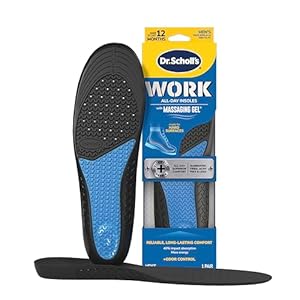
Your feet and footwear influence how your pelvis and lower back sit. Small changes—standing with weight evenly distributed, using supportive shoes, and avoiding prolonged slouching—help maintain gains from stretching. If you stand for long periods, consider supportive insoles to reduce downstream strain; products like Dr. Scholl’s Work All-Day insoles can be useful for added comfort.
Aftercare and rest
Finish with 2–3 minutes of relaxed breathing and avoid heavy lifting immediately after stretching. Improving sleep and recovery helps muscle tension resolve faster—look for sleep and relaxation aids under Stress Relief & Sleep Aids to support a recovery routine.
Mindfulness and breathing
Integrating breath awareness into stretches speeds relaxation. A short daily practice of focused breathing or a guided plan can reinforce stress reduction and pain management strategies; for a structured approach consider resources like The Ultimate Stress-Relief Plan for Women.
Quick checklist before you begin
- Clear 5–15 minutes and a flat surface.
- Warm up briefly (march, pelvic tilts).
- Move slowly; stop with sharp pain.
- Hold stretches 20–45 seconds, repeat 2–3 times.
- Finish with relaxed breathing and light self-massage if needed.
FAQ
- Will these stretches fix chronic back pain? They can reduce tightness and improve mobility, but persistent or severe pain should be assessed by a healthcare professional.
- How often should I stretch? Daily short sessions (5–15 minutes) are ideal; consistency matters more than duration.
- Can I stretch if I have sciatica? Gentle hip and piriformis work may help, but avoid movements that increase sharp leg pain and consult a clinician for tailored advice.
- Should I use heat or ice before stretching? Mild heat can relax tight muscles before stretching; use ice only for acute swelling or injury according to guidance.
- How quickly will I notice improvement? Some people feel better after one session; consistent practice over weeks yields more lasting change.
Practical takeaway: set aside a few minutes each day, warm up, and do a short sequence of knee-to-chest, hip/piriformis, cat–cow, and hamstring stretches. Add simple aftercare—self-massage, supportive footwear, and good sleep habits—to maintain progress. If pain is sharp, new, or worsening, stop and seek professional evaluation.
Products Featured in This Article