Slips and falls are common at home, but many risks are easy to reduce with simple, inexpensive changes. This guide focuses on practical steps you can take room by room to make your home safer while keeping daily life comfortable and convenient.
Use these tips to prioritize low-effort improvements—better lighting, secure rugs, stable handrails, and supportive footwear—that make a real difference. Below are clear actions you can implement this weekend.
1. Start with a focused home walk-through
Walk your home as if you don’t know it: move slowly and note tight walkways, loose items along routes, and uneven thresholds. Put frequently used items within easy reach to reduce bending and stretching. For storage solutions and organizing products that keep floors clear, check Home Essentials.
2. Light the way: upgrade task and ambient lighting
Poor lighting hides hazards. Add brighter, layered lighting in hallways, landings and stairwells; use night-lights in bedrooms and bathrooms for safe overnight movement. Consider motion-activated or smart options that turn on automatically. Explore smart and lighting-adjacent gadgets in Tech & Gadgets to simplify upgrades.
3. Secure floors and rugs
Loose rugs and slippery flooring are frequent culprits. Use low-profile non-slip pads under rugs, replace worn runner edges, and avoid scatter rugs where possible. On hard floors, keep them clean and dry—immediately wipe spills and use mats at entryways to trap moisture. For supplies and small home items that help keep floors uncluttered, revisit Home Essentials.
4. Make stairs and transitions safer
Stairs need clear, uniform steps and reliable handholds. Add or reinforce handrails on both sides if possible, ensure stair treads are in good repair, and mark the top and bottom steps with contrasting strips for better depth perception. For households that want additional awareness, consider monitoring commonly used areas—the indoor security camera below can help you spot hazards and activity patterns: 2K Indoor Safety Digital camera.
5. Bathroom safety: small changes with big impact
Bathrooms combine slippery surfaces and limited space, so focus on simple upgrades: install non-slip bath mats, use a textured tub or shower mat, add grab bars near tubs and toilets, and consider a shower chair if standing is difficult. Keep toiletries within reach to avoid stepping in and out while carrying items. Look for bath and personal-aid items in Personal Care to outfit a safer bathroom.
6. Wear the right shoes and support balance
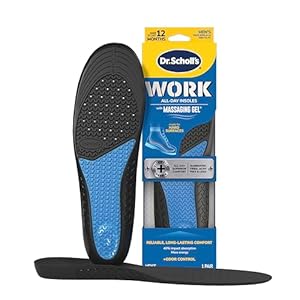
Indoor footwear matters. Choose shoes and slippers with low heels, firm soles, and good traction. For people who spend long hours on their feet, supportive insoles can reduce fatigue and improve stability. Consider the comfort and support of products like Dr. Scholl’s Work All-Day insoles to add cushion and arch support.
7. Child- and pet-proof common hazards
Households with young children or pets benefit from extra precautions: secure loose cords, anchor furniture that could tip, use gates for stairs, and keep small items off the floor. For baby-specific safety and care gear that helps keep little ones, and floors, safer, see Baby Care.
8. Build routines: balance, rest, and planning
Simple lifestyle habits reduce risk: maintain strength and balance with short daily exercises, address sleep quality so you’re less groggy moving around, and stay hydrated to prevent dizziness. Look for home-friendly balance and recovery tools in Wellness & Self-Care to support gentle routines that improve steadiness.
Quick checklist
- Clear walkways and remove small trip hazards.
- Install brighter bulbs and night-lights in key areas.
- Use non-slip pads under rugs and secure runners.
- Add handrails and repair loose stair treads.
- Place non-slip mats and grab bars in the bathroom.
- Wear low-heel, grippy shoes indoors; consider insoles.
- Childproof furniture and secure cords; use gates where needed.
- Practice brief balance exercises and prioritize sleep.
FAQ
- What’s the easiest first step? Do a quick walk-through and remove or move anything that’s on the floor in common paths.
- Do night-lights really help? Yes—low-level lighting reduces disorientation and helps you see obstacles on nighttime trips to the bathroom or kitchen.
- Are rugs always bad? No—well-secured rugs with non-slip pads are safe; loose or curled edges are the main danger.
- How can I make stairs safer without big renovations? Add or reinforce handrails, ensure consistent lighting, and use high-contrast tape on the first and last steps.
- When should I consider monitoring solutions? If you’re monitoring activity patterns or checking high-traffic areas remotely (for example, to spot hazards), indoor cameras can add awareness; evaluate privacy implications first.
Practical changes—clearing paths, improving lighting, securing rugs, adding handrails, and choosing steady footwear—are affordable and effective ways to reduce everyday slips and falls. Pick one or two items from the checklist and act this week; small upgrades add up fast.
Products Featured in This Article
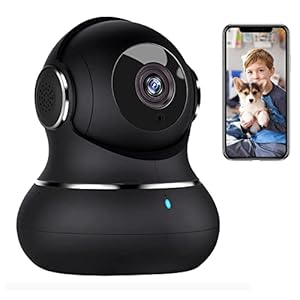
2K Indoor Safety Digital camera, …
📷【2K HD & Smart Pan/Tilt Indoor Camera】Litokam indoor security camera equipped with 2K resolution and high-tech…