
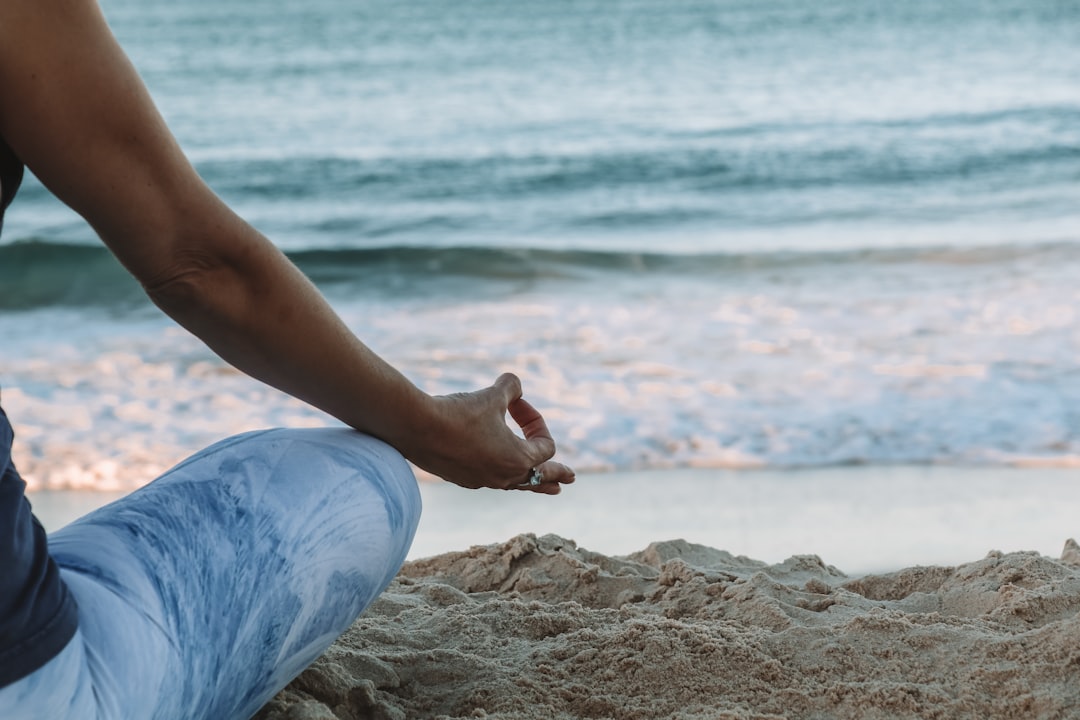
Simple Breathing and Relaxation Methods for Stressful Days
Stressful days are inevitable, but how you respond to them can make a big difference in how you feel and function. Simple breathing and relaxation techniques are practical tools you can use anywhere—at your desk, in the car, or before bed—to reduce tension, steady your mind, and restore focus.
This post gives clear, step-by-step methods you can practice in minutes. For additional products and resources to support your routine, explore curated selections in Wellness & Self-Care.
Why breathing works: the physiology in plain terms
Breathing is one of the fastest ways to influence your nervous system. Slow, deep breaths stimulate the parasympathetic system, which reduces heart rate and lowers the stress hormone response. Practicing intentional breathing trains your body to shift out of the fight-or-flight state more quickly, so stress feels less overwhelming and decision-making improves.
If you want simple reading to build a regular mindfulness habit, a short manual like The Miracle of Mindfulness offers approachable guidance and exercises you can pair with breathing practice.
Diaphragmatic (belly) breathing — the foundational drill
Why: It encourages full oxygen exchange and lowers chest tension. How: Sit or lie comfortably.
- Place one hand on your chest and one on your belly.
- Inhale through your nose for 4 counts, letting your belly rise beneath your hand while your chest stays relatively still.
- Exhale slowly through pursed lips for 6 counts, feeling your belly fall.
- Repeat for 3–5 minutes, or 6–10 cycles when you have more time.
For sleep or longer relaxation sessions, consider supportive items in the Stress Relief & Sleep Aids category to create a calming bedtime routine.
Box breathing — focus and reset in one pattern
Box breathing (equal counts for inhale, hold, exhale, hold) is ideal when you need quick mental clarity—before a meeting, presentation, or stressful conversation.
- Inhale for 4 counts.
- Hold for 4 counts.
- Exhale for 4 counts.
- Hold for 4 counts.
- Repeat 4–6 rounds.
Guided audio tracks and short programs can help you learn the timing; browse calming recordings and devices in Audio & Television if you prefer a narrated guide or ambient sound to follow.
4‑7‑8 breathing — a quick route to calm and sleep
Developed for relaxation and sleep initiation, the 4‑7‑8 pattern lengthens the exhale to help release tension.
- Inhale quietly through the nose for 4 counts.
- Hold for 7 counts.
- Exhale completely through the mouth for 8 counts.
- Repeat up to 4 cycles when starting; increase to 8 if comfortable.
Pair this with a warm, low-light environment and a mild scent if it helps you unwind—consider exploring Essential Oils & Diffusers for gentle aromatherapy options.
Progressive muscle relaxation — combine breath with release
Combining controlled breathing with progressive muscle tensing and releasing helps you map where stress lives in your body and let it go effectively.
- Take a deep inhale and tense one muscle group (feet, calves, thighs, buttocks, stomach, hands, arms, shoulders, neck, face) for 4–6 seconds.
- Exhale and release suddenly, noticing the contrast.
- Work up the body, syncing inhale with tension and exhale with release.
If you like tools that enhance bodywork, look into massage and self-care kits in Massage & Spa for extra relief after practice.
Micro-practices you can do at work or in public
Short practices maintain balance without drawing attention. Examples:
- 4-count belly breath between emails (1–2 cycles).
- Sip water and breathe slowly for 6 counts before a phone call.
- Stand and do three full diaphragmatic breaths before entering a meeting.
Create a calming corner at your workspace with simple items—soft lighting, a small plant or a weighted blanket—available through Home Essentials to support short daily resets.
Quick routine to use before bed
Wind down with a consistent 10-minute sequence:
- 5 minutes diaphragmatic breathing.
- 3 minutes 4‑7‑8 breathing.
- 2 minutes progressive relaxation from feet to face.
For structured plans and guided programs specifically tailored to stress recovery, consider resources like The Ultimate Stress-Relief Plan for Women—use its routines as a template even if you’re not the exact audience.
Checklist: quick reference for stressful moments
- Stop and sit or stand still for 30–60 seconds.
- Try diaphragmatic breathing for 3 cycles (inhale 4, exhale 6).
- If anxious, use box breathing for 4 rounds.
- Before bed, use 4‑7‑8 breathing to transition to sleep.
- Combine breath with a short progressive muscle scan if tension persists.
FAQ
- How long before I feel the effects? Most people notice reduced tension within 1–3 minutes; deeper changes come with regular practice.
- Can I practice while standing or walking? Yes—diaphragmatic breathing and short box-breathing cycles work standing or during a brief walk.
- Is it okay to use these techniques during a panic attack? Gentle, paced breathing and grounding can help; if symptoms are severe or persistent, seek professional guidance.
- How often should I practice? Daily practice of 5–10 minutes builds resilience; micro-practices throughout the day help maintain calm.
- Can I combine breathwork with other tools? Yes—light exercise, calming audio, aromatherapy, and gentle massage complement breathing techniques.
Conclusion — a practical takeaway
Keep it simple: learn one breathing technique well, use it consistently, and add one more practice after two weeks. Small, repeatable actions—three deep belly breaths before a meeting or a 4‑7‑8 cycle before sleep—add up fast. Start with the basics today, and build a short, reliable routine that fits your life.
Products Featured in This Article
