Long travel days—whether a full day of flights, an overnight bus ride, or a long drive—can drain your energy and leave you stiff, sore, and groggy. With a few practical strategies and the right gear, you can stay comfortable, protect your body, and arrive ready to move.
This guide covers packing, movement, rest, tech, hygiene, and quick recovery tips you can use on any itinerary. Each section gives clear, actionable steps and product-category suggestions to make your planning faster.
Pack smart: clothing and layering
Start with what you wear. Choose breathable, stretch-friendly pieces that layer easily: a lightweight base, insulating mid-layer, and a packable windbreaker. Compressible items save space and let you adapt to changing cabin or weather temps. Keep a dedicated travel outfit in your carry-on for the end of a long day so you can change into something clean and comfortable.
For easy shopping ideas, browse travel-oriented apparel in the clothing category to find versatile pieces and lightweight layers that travel well.
Protect your feet: footwear and insoles
Your feet sustain the most impact during travel—standing in lines, walking terminals, or navigating transfers. Wear supportive, low-profile shoes you can slip on and off quickly at security. Add high-quality insoles for longer days; they reduce fatigue and provide arch support without bulky shoes.
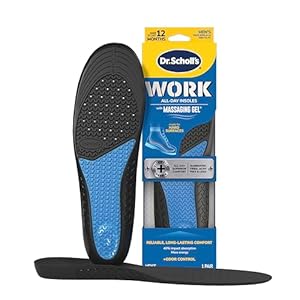
One practical option to consider is the targeted comfort of Dr. Scholl’s Work All-Day insoles, useful when you expect long periods on your feet.
Move regularly: simple in-seat and standing exercises
Sitting for hours stiffens hips, calves, and lower back. Set a timer every 30–60 minutes to do micro-movements: ankle circles, knee lifts, seated hip openers, and shoulder rolls. If you can stand, do 1–2 minutes of marching in place, calf raises, or a few gentle squats to restore circulation.
Cues help: pair movement with routine triggers like the beverage cart, a movie ending, or a transit stop. For planning a sequence of short, effective stretches and recovery moves, check travel wellness resources in the Wellness & Self-Care category.
Sleep and rest on the go: strategies that work
Quality rest matters more than quantity on travel days. Use a supportive neck pillow to protect your cervical spine, and an eye mask and earplugs or noise-cancelling headphones to block light and sound. If you’re prone to rest disruption, consider calming supplements or sleep aids that are safe and non-drowsy for transit times.
For targeted solutions like travel-friendly sleep aids and calming products, explore the Stress Relief & Sleep Aids category to find organizers’ favorites and compact options for carry-on packing.
Carry tech that supports comfort and energy
Power management and compact tech make long travel less stressful. Pack a high-capacity power bank, universal adapter, and a cable organizer so you aren’t hunting outlets. Lightweight earbuds or a tablet loaded with offline content can reduce boredom and anxiety during delays.
For a quick browse of compact travel electronics—chargers, cables, and small devices—check the Tech & Gadgets category to find items that keep you powered and productive on the move.
Manage sound and entertainment effectively
Noise and interruptions are major sources of travel stress. Invest in comfortable over-ear or in-ear noise-cancelling headphones and create a playlist or download shows and podcasts before you leave. Use audio to manage your environment: calming tracks for sleep, upbeat playlists for moving through energy slumps, and guided stretches for short break sets.
If you want options for audio devices and portable entertainment solutions, start with the Audio & Television category for compact speakers and headphones that perform well in transit.
Hygiene and quick refresh: stay feeling clean and alert
Small hygiene rituals reinvigorate you after long travel. Carry travel-size essentials: facial wipes, deodorant, a toothbrush and paste, hand sanitizer, and a quick moisturizing spray. A microfiber towel or a small packable washcloth helps when you need a fast face and neck refresh.
Look for compact, TSA-friendly personal-care items in the Personal Care category to build a slim refresh kit that fits a carry-on.
Recover faster: on-arrival strategies and gentle therapies
When you land, prioritize quick recovery: hydrate, eat a balanced snack, and do a focused mobility sequence. Pack a compact massager, foam roller stick, or pressure-point tool to loosen tight calves and neck muscles. A 10–15 minute routine of dynamic stretches and gentle self-massage reduces soreness and speeds recovery.
For portable recovery tools and travel spa options, the Massage & Spa category has compact massagers and kits designed for on-the-go relief.
- Wear layered, breathable clothing and pack a change of clothes in carry-on.
- Choose supportive shoes and use comfort insoles.
- Move every 30–60 minutes: ankle circles, calf raises, standing squats.
- Prioritize sleep aids: neck pillow, mask, and noise control.
- Keep tech charged: power bank, cables, and offline media.
- Carry a compact hygiene kit for fast refreshes.
- Use a small massager or targeted recovery routine on arrival.
FAQ
- How often should I stand or move on a long flight? Aim for gentle movement or standing every 30–60 minutes to maintain circulation and reduce stiffness.
- What’s the best footwear for travel? Supportive, slip-on shoes with room for a compression insole are ideal—comfortable for security checks and prolonged walking.
- How can I sleep better on planes or buses? Use a supportive neck pillow, an eye mask, noise control (earplugs or noise-cancelling headphones), and preloaded calming content or guided sleep tracks.
- Are compact massagers worth packing? Yes—small devices offer targeted relief for calves, neck, and shoulders and can accelerate recovery after long sitting periods.
- What should I keep in a travel hygiene kit? Facial wipes, toothbrush/toothpaste, deodorant, hand sanitizer, moisturizer, and a small towel or washcloth.
- How can I avoid jet lag on arrival? Hydrate, get light exposure aligned with your destination’s daytime, and do light exercise or stretching to reset your body clock.
Practical takeaway: plan clothing and footwear for comfort, schedule short movement breaks, control light and sound for better rest, and carry a small kit of tech and hygiene essentials. With these steps, long travel days become manageable transitions rather than exhausting hurdles.
Products Featured in This Article