
How to Create a Calmer Home Environment for Anxious Pets
Pets pick up on our energy and on household cues. When a home is predictable, quiet, and tuned to an anxious animal’s needs, behavior improves and everyone—pets and people—lives more comfortably. This guide gives practical, evidence-informed steps you can implement today to reduce triggers and build a calmer daily life for your dog or cat.
Start small: adjust one room, one routine, or one interaction at a time. You don’t need special equipment to begin, but a few targeted items and simple changes can make a measurable difference.
1. Observe and monitor to identify triggers
Before changing the environment, document when anxiety appears—time of day, noise, visitors, or certain movements. A dedicated pet camera helps you review behavior while you’re away and spot patterns you might miss in real time. Consider an indoor pet camera to safely monitor restlessness, pacing, or repeated vocalizations so you can tailor interventions precisely.
2. Establish predictable routines
Consistent feeding, walking, play, and rest times reduce uncertainty—one of the biggest drivers of anxiety. Owners who manage stress and model calm behavior can help pets settle faster; building your own simple relaxation habits can indirectly benefit your animal. Resources in Wellness & Self-Care can remind you to maintain routines that support a steady household atmosphere.
3. Design low-stimulation safe zones
Create one or two quiet retreats where your pet can opt out of activity. Use soft bedding, low lighting, and barriers to reduce startling stimuli. Choose a corner away from the front door and TV; place toys and familiar-smelling blankets there. Shop for calming bedding and containment options in Home Essentials to assemble a comfortable den-style space without clutter.
4. Use sound and visuals to soothe
Calming playlists, white-noise machines, or nature sounds can mask sudden household noises and provide a steady auditory backdrop. For pets who react to visual motion outside, use blinds, shades, or strategic furniture placement to limit stressful sightlines. If you rely on streaming sound or programs designed for pets, check electronics and streaming gear in Audio & Television for reliable playback options and easy setup.
5. Introduce scent carefully and safely
Scent cues can be calming but must be chosen with caution—many essential oils are toxic to pets. Use pet-safe diffusers and products formulated for animals, start with very low intensity, and never apply concentrated oils directly to fur or paws. For diffuser options and low-dose scent tools, browse Essential Oils & Diffusers, and always research ingredients for species-specific safety.
6. Provide enrichment and predictable exercise
Physical and mental exercise reduce excess energy that can manifest as anxiety. Offer puzzle feeders, short focused training sessions, and scheduled walks to channel attention and build confidence. For products that support rest and recovery after activity, consider items in Stress Relief & Sleep Aids that double as calming resting aids—choose materials appropriate for pets and washable for hygiene.
7. Gentle handling, grooming, and touch
Calm, predictable touch helps many animals feel safe. Slow petting, short massage sessions, and regular grooming performed in a calm setting create positive associations with handling. If you or a pet sitter use tools or kits, look for gentle, non-irritating options in Massage & Spa and combine them with species-appropriate shampoos or grooming products found in Personal Care when relevant—always avoid human products labeled with ingredients unsafe for pets.
8. Train for resilience and coping skills
Build your pet’s confidence with short, positive training sessions that reward calm behavior. Teach simple commands or crate/chair cues linked to relaxation: when the cue is given, show the pet a treat or favorite toy and reward staying calm. If anxiety is severe or persistent, consult a qualified behaviorist or your veterinarian before starting behavior-modifying supplements or medications—professionals can recommend safe, tailored strategies.
Quick Checklist
- Document anxiety triggers for 7 days (use camera if helpful).
- Create one low-traffic safe zone with bedding and familiar scents.
- Set consistent meal, walk, and play times.
- Introduce calming sounds at low volume during known stress periods.
- Provide daily enrichment: puzzle feeders, short training, and play.
- Use only pet-safe diffusers and grooming products.
- Track progress weekly and adjust routines slowly.
FAQ
- How do I know if my pet’s anxiety is normal or severe?
Normal anxiety is situational and improves with predictable routines and enrichment. If symptoms escalate, include destructive behavior, self-injury, or inability to eat or sleep, seek professional advice from a veterinarian or certified behaviorist. - Are essential oils safe for pets?
Many essential oils are harmful to animals. Only use products labeled pet-safe, diffuse at low concentrations in well-ventilated areas, and observe your pet for respiratory signs or discomfort. If unsure, avoid scented products near pets. - Will a camera make my pet less anxious?
A camera won’t change behavior by itself but helps you spot triggers and patterns when you’re not home. This information guides environment tweaks and training that can reduce anxiety. - How long before I see improvement?
Small changes can reduce stress within days; consistent routines and training often show clearer results over weeks. Track behaviors so you can identify which interventions help most. - Can I use human relaxation aids for my pet?
No—never use human medications or undirected supplements without professional guidance. Some human-grade products (scents, topical items) can also be unsafe. Always choose pet-specific, veterinarian-approved solutions.
Conclusion
Calming an anxious pet is a step-by-step process: observe carefully, remove or reduce triggers, add predictable structure, and provide safe outlets for energy and stress. Small, consistent changes—paired with the right products and professional guidance when needed—create a calmer home for everyone. Start with one adjustment today and build from there.
Products Featured in This Article
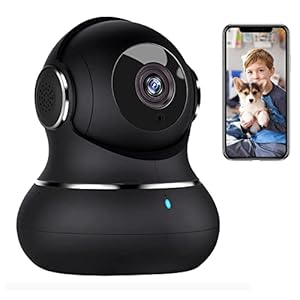
2K Indoor Safety Digital camera, …
📷【2K HD & Smart Pan/Tilt Indoor Camera】Litokam indoor security camera equipped with 2K resolution and high-tech…