
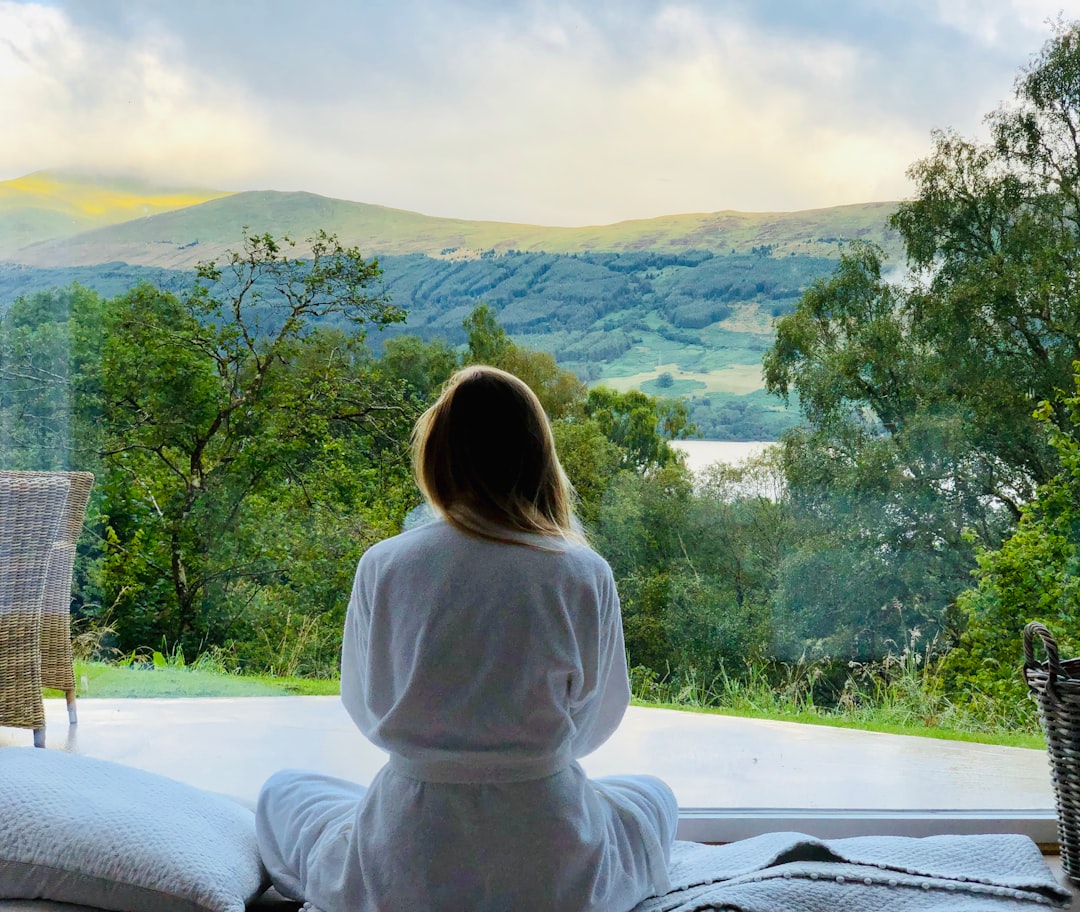
How to Build a Relaxing Evening Routine for Better Sleep
Good sleep starts long before your head hits the pillow. A consistent, calming evening routine signals your body that it’s time to shift from busy daytime mode to restorative rest. Small, repeatable actions—lighting, movement, and gentle mental rituals—create the conditions for deeper, more reliable sleep.
Think of a routine as a sequence of cues: the same steps every night that tell your brain it’s winding down. For practical tools and items to support that process, browse curated picks in Wellness & Self-Care to get started.
Set a Consistent Wind-Down Time
Choose a nightly window—ideally 60–90 minutes—when you stop intense tasks and start quieting your environment. Turn off work notifications, plan tomorrow’s to-do list earlier in the evening, and avoid screens that trigger alertness. Consistency anchors circadian rhythms, making it easier to fall asleep and wake refreshed.
For reading or structured guidance on managing stress that can interfere with sleep, resources like The Ultimate Stress-Relief Plan for Women offer practical techniques you can fold into your wind-down.
Dim Light and Control Blue Light
About an hour before bed, lower lights and switch devices to night mode or blue-light filters. Blue light suppresses melatonin and keeps your brain alert; reducing exposure in the evening helps your body prepare for sleep. Use softer lamps or warm bulbs rather than bright overhead lights.
If your phone is a key part of evening life (reading, guided meditations, or habit trackers), explore settings and accessories in the Smartphones category to manage brightness, enable do-not-disturb, or add a blue-light screen protector.
Create a Sleep-Friendly Environment
Optimize your bedroom for rest: cool temperature, comfortable bedding, minimal clutter, and blackout curtains or an eye mask. Remove or hide work-related items so the space feels dedicated to sleep and intimacy. A tidy, sensory-calibrated room reduces mental noise and makes falling asleep easier.
Look for practical items—soft lighting, cozy throws, blackout solutions, and sleep accessories—in the Home Essentials section to set up a calming sleep environment.
Mindful Relaxation and Breathing
Once lights are dim, spend 5–15 minutes on a mindfulness or breath practice. Simple techniques—box breathing, progressive muscle relaxation, or a short guided meditation—lower heart rate and quiet racing thoughts. Keep exercises short and consistent so they become reliable sleep cues.
If you prefer a guided reading to help build a meditation habit, consider classics like The Miracle of Mindfulness as a companion to your evening routine.
Aromatherapy and Soothing Scents
Scent is a powerful cue for relaxation. Lavender, chamomile, and bergamot are commonly used to promote calm—diffuse a few drops of essential oil 30–60 minutes before bed or use a linen spray on pillows. Be cautious with strong scents if you have sensitivities; start light and observe how your body responds.
For diffusers and carefully selected oils designed for sleep environments, check the Essential Oils & Diffusers category.
Gentle Movement and Stretching
Light yoga or stretching can release physical tension accumulated during the day. Focus on neck, shoulders, hips, and lower back—areas that commonly hold stress. Avoid vigorous exercise close to bedtime; choose restorative sequences that emphasize slow, controlled breathing.
If hands-on relaxation helps, consider tools and professional-strength home options listed under Massage & Spa to complement nightly stretches.
Evening Skincare and Personal Care Rituals
A brief, deliberate personal-care routine—brushing teeth, washing your face, applying a lightweight night moisturizer—can be a concrete cue that your day has ended. Keep products simple so the ritual stays quick and consistent rather than becoming another chore.
Explore gentle formulations and targeted night products in the Skin Care category to create a calming, skin-friendly end-of-day routine.
Practical Checklist
- Set a consistent 60–90 minute wind-down window each night.
- Dim lights and enable blue-light filters on devices.
- Adjust bedroom temperature and minimize light/noise.
- Spend 5–15 minutes on breathing or mindfulness.
- Use a calming scent lightly (diffuser or spray).
- Do 5–10 minutes of gentle stretching.
- Finish with a short skincare or hygiene ritual.
FAQ
Q: How long before bed should I start my routine?
A: Aim to begin 60–90 minutes before your planned sleep time; this gives your body enough time to shift toward rest.
Q: Is it okay to read on my phone before bed?
A: Reading is fine, but use night mode, reduce brightness, or consider blue-light filters. Paper books are a low-stimulus alternative.
Q: Can aromatherapy really help with sleep?
A: Many people find mild calming scents like lavender helpful as a relaxation cue. Use them lightly and test your response over several nights.
Q: What if my partner keeps a different schedule?
A: Create flexible personal rituals that work within your shared space—use headphones for audio practices, dimmable lamps, or staggered wind-down times where possible.
Q: How long before I see improvements?
A: With consistent practice, many people notice sleep improvements within 1–3 weeks. The key is repetition and small, sustainable changes.
Conclusion
Better sleep comes from predictable, calming cues you repeat nightly. Pick two to three techniques from this plan—dimmed lights, short breathing practice, and a consistent wind-down—and stick with them for at least two weeks. Practical routines, supported by simple products and a quiet environment, make deep rest more accessible and sustainable.
Products Featured in This Article

The Miracle of Mindfulness: The C…
New Mint Condition Dispatch same day for order received before 12 noon
