

Common Sleep Habits That May Be Affecting Your Rest and Recovery
Good sleep is essential for mood, memory, injury recovery and overall health. Yet many of us adopt small habits that steadily erode sleep quality without realizing it.
This post outlines common sleep disruptors and practical fixes you can implement tonight. If you want help finding products to support better rest, check resources in Wellness & Self-Care.
Optimize your bedroom environment
Your bedroom should cue your body that it’s time to wind down. Light, temperature, noise and clutter play big roles. Start by making the room as dark as possible (blackout curtains or a sleep mask), keep it cool (around 60–68°F or 15–20°C for most people) and limit night noise—earplugs or a white-noise machine help. Consider swapping bright bedside bulbs for warm, low-wattage lighting and organizing surfaces so the space feels calm. Home-focused solutions and bedding options can make setup easier; see Home Essentials for items that improve bedroom comfort.
Keep a consistent sleep schedule
Irregular bed and wake times confuse your circadian rhythm. Aim to go to bed and wake up at roughly the same time every day, even on weekends. Consistency reinforces the body’s internal clock and improves sleep depth. If you must shift your schedule (travel or late events), move gradually—15–30 minutes per night—rather than making abrupt changes.
Limit evening screen time and blue light
Phones, tablets, laptops and TVs emit blue light that suppresses melatonin and signals alertness to your brain. Set a screen curfew 60–90 minutes before bed, or use blue-light filters and night modes in the evening. For shared living spaces, consider moving TV and large devices out of the bedroom entirely to preserve the bedroom’s sleep-only association. If you need alternatives for evening relaxation, explore audiovisual devices and accessories in Audio & Television.
Rethink evening routines and stimulants
Caffeine, nicotine and heavy meals consumed late can disrupt falling asleep and sleep architecture. Cut caffeine by mid-afternoon; replace evening caffeinated beverages with herbal tea or water. Limit alcohol: while it may speed sleep onset, it fragments sleep later in the night. Finish heavy meals 2–3 hours before bed and choose lighter, protein-plus-carb snacks if you’re hungry closer to bedtime. Simple routine adjustments support deeper recovery.
Use scent, humidity, and bedding strategically
Small sensory cues can make a big difference. A humidifier can ease dry air that interrupts nasal breathing; a mild lavender scent is associated with relaxation for many people. If you prefer natural scents or want a low-effort diffusion method, consider Essential Oils & Diffusers. Also evaluate mattress and pillow support: the right level of firmness and cooling materials can reduce wake-ups and soreness the next day.
Manage stress and racing thoughts before bed
Worry and mental hyperarousal are common causes of insomnia. Build a short pre-sleep ritual: 10–20 minutes of calming activity like journaling, progressive muscle relaxation, or a guided meditation. Books and structured programs can teach these skills efficiently—one helpful guide worth considering is The Miracle of Mindfulness. If stress is persistent, targeted stress-relief tools and sleep aids can be helpful adjuncts.
For parents: strategies to protect your sleep
Children and infants naturally cause nighttime disruptions. Create separation where possible: set up a baby-friendly sleep zone and use an effective monitoring strategy so you don’t need to check constantly. Tools like baby-care products can make middle-of-night tasks quicker and quieter—example support items in the Baby Care collection. If nasal congestion or feeding issues wake your child repeatedly, targeted products such as the Momcozy 2-in-1 Baby Nasal Aspirator can reduce disturbance and speed nighttime recovery for both of you.
Relaxation aids and small comforts that help
Low-cost rituals—warm shower, calming music, a dedicated bedside notebook—add consistency and safety to your routine. If you like curated relaxation kits, small spa-like items can make self-care feel effortless; for example, a pre-packed spa gift set can be a motivational nudge toward a nightly wind-down: Jasmyn & Greene Luxury Spa Gift Basket contains soothing items you can incorporate into a short bedtime ritual.
Checklist: Quick wins to improve sleep tonight
- Set a consistent bedtime and wake time.
- Stop screens 60–90 minutes before bed; dim lights.
- Avoid caffeine after mid-afternoon and heavy meals within 2–3 hours of bed.
- Cool the bedroom and reduce light; use earplugs or white noise if needed.
- Do a 10-minute wind-down: journaling, breathing or a short guided practice.
- Address child sleep disruptions with efficient tools from Baby Health.
FAQ
Q: How long before I’ll notice improved sleep?
A: Small changes (consistent schedule, less evening screen time) can affect sleep within days. More entrenched issues may take several weeks to change.
Q: Are sleep aids safe?
A: Over-the-counter or herbal sleep aids can help short-term but aren’t long-term solutions for habit-based sleep problems. Talk to a healthcare provider for chronic issues.
Q: Is napping bad for nighttime sleep?
A: Short naps (20–30 minutes) early in the day can boost alertness without harming nighttime sleep for many people. Long or late naps may reduce sleep drive and delay bedtime.
Q: Can scent or diffusers really help?
A: For many people, calming scents (like mild lavender) help cue relaxation. Keep scents subtle and test for allergies or sensitivities.
Q: When should I see a professional?
A: If you experience persistent difficulty falling or staying asleep for several weeks, excessive daytime sleepiness, loud snoring or breathing pauses, consult a clinician for evaluation.
Conclusion
Small, consistent changes to your environment, routines, and stimulus exposure deliver the biggest improvements in sleep and recovery. Pick one or two adjustments from the checklist and try them for two weeks—track your sleep and tweak based on what helps. Better sleep is often the result of steady habit changes rather than dramatic interventions.
Products Featured in This Article

The Miracle of Mindfulness: The C…
New Mint Condition Dispatch same day for order received before 12 noon

Jasmyn & Greene Luxury Spa G…
10 Beauty gifts for women : Lavender candle with wooden wick, Amethyst infused body oil, Himalayan…
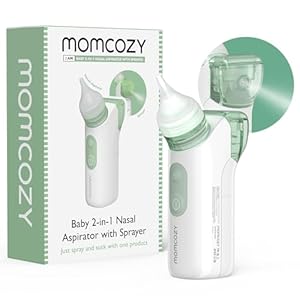
Momcozy 2-in-1 Child Nasal Aspira…
Baby Nasal Aspirator – Momcozy nasal aspirator for baby, electric baby nasal aspirator, booger sucker, release…