

Everyday Kitchen Habits That Can Reduce Physical Strain
Cooking should feed you, not wear you down. Simple adjustments to how you set up your kitchen, move while you work, and recover afterward can meaningfully reduce strain on your back, shoulders, knees and hands.
This article offers practical, evidence-informed habits you can adopt today—no major renovations required. Small changes add up when they become routine.
1. Design a comfort-first workspace
Start by evaluating where you spend the most time—prep counters, the stove, and the sink. Keep frequently used tools within easy reach to avoid repeated reaching and twisting. If you’re reorganizing, look for solutions that fit existing cabinetry and counter space such as drawer organizers, shelf risers and compact storage that reduce unnecessary bending and stretching. For a quick place to browse options, check Home Essentials.
2. Choose appliances that reduce lifting and repetitive effort
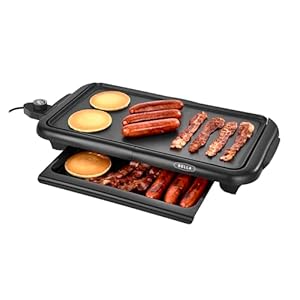
Countertop appliances can significantly shorten cooking cycles and minimize back strain. For example, a flat electric griddle or multi-cooker lets you cook larger batches in one place and reduces frequent transfers between pots and pans. Consider replacing tasks that require frequent lifting and stirring with low-effort appliances when feasible; a good example is the BELLA Electric Griddle, which helps streamline stovetop work and heavy lifting.
3. Prep smarter: cutting boards, knife angle, and batch prep
Small changes to your prep routine lower wrist and shoulder load. Use a stable board at a comfortable height (countertop or raised board) so your forearms are nearly parallel to the counter when you slice. Rotate tasks—chopping for 10 minutes, then mixing for 5—to avoid prolonged repetition.
A raised, hangable cutting board or a board with ergonomic edges can make a difference; consider pieces designed for easy handling like the Jetec Cutting Board for an improved grip and storage option.
4. Stand smarter: footwear, floor mats, and transition aids
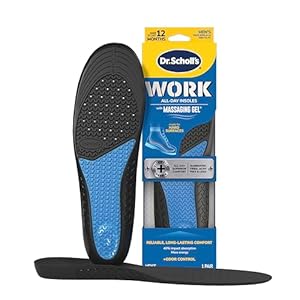
Standing for long periods is one of the most common sources of kitchen fatigue. Supportive footwear and cushioned insoles reduce pressure on feet and lower limbs and can help maintain better posture. Products built for all-day comfort can be especially helpful if you cook often; an example is Dr. Scholl’s Work All-Day Insoles.
Complement good shoes with an anti-fatigue mat at key work zones (sink, stove, prep counter) and alternate standing positions—shift your weight, step to a different foot, or sit briefly during long simmering steps.
5. Move with better mechanics: lifts, carries and posture
How you lift and carry cookware matters. Keep loads close to your centerline, bend at the hips and knees rather than the waist, and pivot with your feet instead of twisting your torso. When moving multiple items, make two trips or use a cart/tray to balance weight and reduce awkward reaches.
If you’re aiming for broader well-being strategies that support physical habit change—like pacing your tasks and integrating short mobility breaks—see lifestyle resources under Wellness & Self-Care.
6. Protect hands and wrists with tools and small habits
Hand strain from repetitive cutting, stirring, and jar-opening is common. Swap heavy pots for lighter ones when possible, use long-handled utensils to keep wrists neutral, and use jar openers or silicone grips to avoid over-gripping. Apply simple hand care after long sessions—moisturize to maintain skin elasticity and use protective gloves for hot items or abrasive cleaning.
For everyday hand and skin maintenance, browse options in Personal Care.
7. Short recovery habits that keep you moving comfortably
At the end of a busy cooking session, targeted recovery can speed comfort: light stretching for the wrists, calves and back, a short walk, or a few minutes lying down with legs elevated. Regular self-care reduces cumulative strain over days and weeks.
Treats like a home massage tool or a guided program can help with recovery; consider products and kits in the Massage & Spa section to support routine post-cooking care.
Checklist: Quick habits to reduce kitchen strain
- Keep frequently used tools within arm’s reach—reorganize counters and drawers.
- Use one appliance to handle multiple steps (batch or consolidate tasks).
- Raise your cutting surface to a comfortable height; alternate tasks to avoid repetition.
- Wear supportive shoes and consider cushioned insoles for long standing.
- Lift with your legs, keep loads close, and use trays or carts for multiple items.
- Take micro-breaks every 20–30 minutes for posture resets and gentle stretches.
- Prioritize recovery—stretch, hydrate, and use supportive self-care tools.
FAQ
Q: How can I tell if my counter height is causing strain?
A: If you find yourself hunching, lifting your shoulders while chopping, or leaning forward frequently, counter height may be too low or too high. Aim for a prep surface that keeps your elbows at roughly a 90–110° angle when your hands are resting on it.
Q: Are ergonomic tools worth the investment?
A: Yes—well-designed utensils, boards, and supportive footwear can reduce discomfort and make repetitive tasks easier. Small investments often pay off in daily comfort and reduced fatigue.
Q: What’s the simplest way to reduce back strain while cooking?
A: Use proper bending mechanics—hinge at the hips and knees, keep loads close to the body—and introduce stools for tasks that don’t require standing. Also rearrange workflow to minimize frequent forward reaches.
Q: How often should I stretch during cooking sessions?
A: Short mobility breaks every 20–30 minutes are beneficial. Gentle wrist, shoulder, and calf stretches for 30–60 seconds each can prevent stiffness and reduce cumulative strain. For additional relaxation and sleep-focused recovery, explore Stress Relief & Sleep Aids.
Q: Can changing my shoes really help kitchen discomfort?
A: Proper footwear with arch support and cushioning changes pressure distribution across the feet and can reduce pain in the feet, knees and lower back—especially if you stand for long periods.
Conclusion
Consistency beats perfection: pick two habits from the checklist, practice them for a week, then add more. Small, sustained changes to layout, tools, movement and recovery make everyday cooking comfortable and sustainable.
Products Featured in This Article

Jetec Chopping Board Eat Signal S…
Delicate Design: welcome family and friends into your kitchen or dining space with our charming wooden…
BELLA Electrical Griddle with War…
FAST & VERSATILE: Make 8 delicious pancakes or eggs at once with this griddle pan! The…