How to Recover Properly After a Home Workout
Recovery is where the real gains happen. After a focused home workout, your body needs targeted steps to repair tissue, restore energy, and reduce soreness so you can train consistently.
This guide gives practical, evidence-backed strategies you can use immediately after home sessions—from a five-minute cooldown to sleep habits and helpful products that speed recovery.
Cooldown and stretching: finish strong
Don’t skip the last 5–10 minutes. A gradual cooldown lowers heart rate and helps clear metabolic byproducts. Start with light aerobic movement (walking or marching in place) for 2–3 minutes, then move into dynamic and static stretching targeted to the muscles you worked.
For self-massage and targeted release after stretching, consider tools and techniques commonly found in the Massage & Spa category—foam rollers, massage balls and handheld devices help loosen tight spots and improve circulation.
Hydration and post-workout nutrition
Rehydrate first: small, frequent sips of water are better than gulping. If your session was long or very sweaty, include a drink with electrolytes. Eat a balanced meal within 60–90 minutes post-workout: lean protein to support repair, carbohydrates to refill glycogen, and some healthy fats.
For practical recovery essentials and supplements that support these needs, browse options in Wellness & Self-Care.
Sleep and rest: the recovery multiplier
Quality sleep is the single most powerful recovery tool. Aim for consistent bedtimes, a dark, cool room, and 7–9 hours per night. Short naps (20–30 minutes) can help on heavy training days but avoid long naps close to bedtime.
If sleep is a challenge, look into calming routines and supportive products from the Stress Relief & Sleep Aids category—low-cost interventions like weighted sleep masks, white-noise devices, or magnesium supplements can make a measurable difference.
Active recovery and mobility
On off-days or after intense sessions, opt for low-impact movement: walking, gentle cycling, or yoga increase blood flow without stressing muscles. Mobility drills (hip openers, shoulder dislocations, ankle circles) maintain range of motion and reduce injury risk.
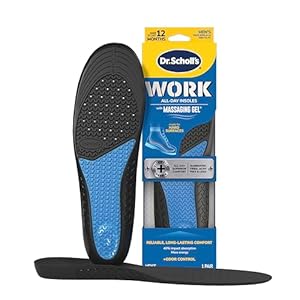
If foot discomfort limits your activity—common after bodyweight or plyometric home workouts—supportive insoles can ease strain and speed return to activity. Consider supportive inserts like Dr. Scholl’s Work All-Day Superior Comfort Insoles for everyday footwear and light recovery walks.
Tools and products that help recovery
Simple tools can add effectiveness to your routine: a foam roller for myofascial release, resistance bands for gentle activation, a quality yoga mat for comfort, and hot/cold packs for acute soreness. If you prefer calming scents to wind down after training, explore Essential Oils & Diffusers to create a recovery-friendly environment—lavender or eucalyptus can aid relaxation and breathing.
Skin care and hygiene after workouts
Showering soon after exercise prevents clogged pores and irritation. Use gentle cleansers and avoid overly hot water right after a heavy sweat—lukewarm is best. Apply moisturizer to damp skin to lock in hydration and reduce itchiness from salt and sweat.
For targeted post-workout products—cleansers, body lotions, and recovery balms—check the Skin Care selection. Broader items for personal grooming and care are available under Personal Care, which can help maintain hygiene routines that support recovery.
Small comforts and mental recovery: treat yourself wisely
Recovery isn’t only physical. Short mindfulness practices, a warm bath, or a relaxing playlist can reduce perceived effort and speed mental recovery. A thoughtful self-care kit—like a curated spa basket—can be a practical reminder to prioritize rest.
For ready-made relaxation sets that pair nicely with a post-workout routine, consider something like the Jasmyn & Greene Luxury Spa Gift Basket to create a relaxing home recovery ritual.
When to scale back: signs you need more recovery
Symptoms that signal insufficient recovery include persistent fatigue, declining performance, prolonged muscle soreness beyond 72 hours, sleep disturbances, or increased irritability. If you notice these signs, reduce training volume, increase sleep and nutrition focus, and prioritize low-intensity movement.
Quick recovery checklist
- 5–10 minute cooldown + targeted stretching
- Rehydrate immediately; include electrolytes if needed
- Protein + carbs within 60–90 minutes post-workout
- 7–9 hours of nightly sleep; consider short naps if required
- Use foam rolling, mobility work, or light active recovery
- Shower and apply moisturizer; keep skin care simple
- Address chronic soreness with supportive footwear or insoles
- Schedule regular rest days and monitor performance trends
FAQ
- How long should I wait to eat after a workout? Aim for a balanced snack or meal within 60–90 minutes; include protein and carbohydrates.
- Is ice or heat better for sore muscles? Ice is best for acute inflammation; heat helps chronic tightness or stiffness—use both strategically and avoid extreme temperatures directly on skin.
- Can I do strength training every day? You can train frequently if you vary intensity and target muscle groups differently; schedule at least one full rest day per week and listen to your body.
- Do supplements speed recovery? Whole foods are primary; protein powder, creatine, and omega-3s can assist recovery for some people. Prioritize dietary consistency first.
- How do I know if I’m overtraining? Persistent fatigue, performance drops, sleep issues, and mood changes are red flags—cut volume, increase sleep and nutrition, and consult a professional if symptoms persist.
Practical takeaway: build a short, consistent post-workout routine—cooldown, rehydrate, refuel, and prioritize sleep. Small daily recovery steps compound into better performance and fewer setbacks.
Products Featured in This Article

Jasmyn & Greene Luxury Spa G…
10 Beauty gifts for women : Lavender candle with wooden wick, Amethyst infused body oil, Himalayan…