
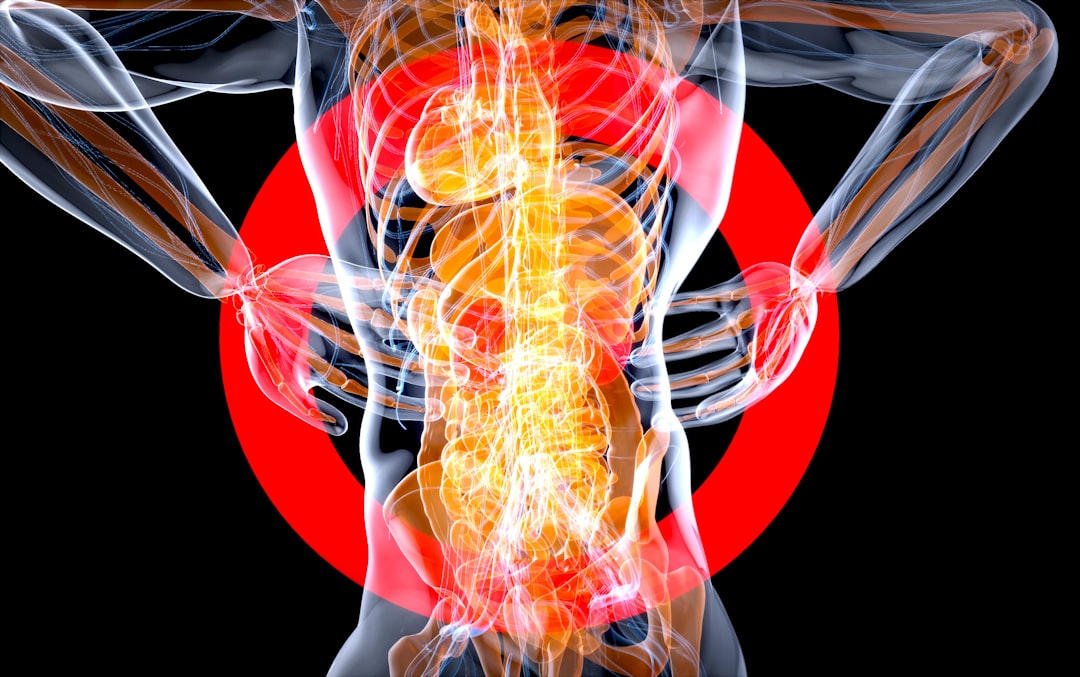
Everyday Mistakes That Can Make Joint Pain and Stiffness Worse
Joint pain and stiffness are common complaints that affect mobility and quality of life. Small habits—repeated daily—often do more damage than obvious injuries. Understanding and changing those habits can reduce flare-ups and preserve joint health.
Start with practical, sustainable adjustments. Browse focused support and recovery options in the Wellness & Self-Care category if you’re looking for products that help manage symptoms alongside lifestyle changes.
Poor posture and tech habits
Bending your neck for long hours, slouching at a desk, or holding a phone between shoulder and ear shifts load to joints in the neck, shoulders and upper back. Over time that misalignment increases stiffness and compensatory pain in adjacent joints.
Fixes: set reminders to reset posture, raise screens to eye level, and consider accessories to lighten the load. If you work with multiple devices, explore ergonomic solutions in Tech & Gadgets to help reduce slouching and repetitive strain.
Skipping warm-ups and stretching
Jumping into exercise or demanding chores without a brief warm-up increases stress on cartilage and connective tissue. Muscles that are stiff don’t protect joints as effectively, so impact forces transfer to tendons and joint surfaces.
Spend five to ten minutes on dynamic movement—gentle walking, leg swings, shoulder circles—before higher-intensity activity. Follow with targeted mobility work for the joints you’ll use most that day.
Choosing only high-impact exercise
Running, jumping, or repeated heavy-impact activities can aggravate some joint conditions when done exclusively or without progression. That said, staying active is crucial—so choose low-impact alternatives that maintain cardiovascular fitness without overstressing joints.
Options like cycling, swimming or hybrid riding can be easier on knees and hips. Look into supportive, low-impact choices such as the Schwinn GTX Comfort Adult Hybrid Bike for steady, joint-friendly workouts.
Wearing the wrong footwear
Unsupportive shoes or worn-out soles change how forces travel up the legs. That can increase knee, hip and lower-back strain, producing stiffness and pain over time.
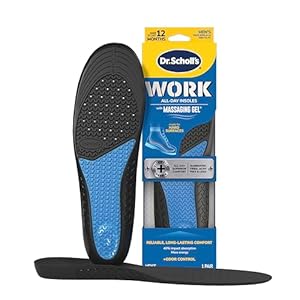
Look for shoes with cushioning, arch support, and a stable heel. If you spend long hours on your feet or walk on hard surfaces, consider supportive insoles like Dr. Scholl’s Work All-Day Superior Comfort Insoles to help reduce shock and improve alignment.
Relying only on pain meds or topical fixes
Over-reliance on medications or creams to mask pain without addressing underlying movement, strength, or ergonomic contributors allows harmful patterns to continue. While short-term symptom relief is valid, use it to enable corrective actions—stretching, strengthening, or seeing a specialist—rather than to simply push through damaging activity.
Complement symptom relief with targeted care and tools from the Personal Care options that support hygiene and topical comfort while you pursue long-term changes.
Poor sleep and unmanaged stress
Inflammation and pain perception are closely linked to sleep quality and stress. Poor sleep increases sensitivity to pain; chronic stress tightens muscles and reduces tolerance for normal loads, making joints feel stiffer.
Prioritize sleep hygiene: consistent schedule, cool dark room, reduced evening screen time, and relaxation routines. Consider evidence-based supports listed in Stress Relief & Sleep Aids to improve rest, and pair them with daytime stress-reduction strategies.
Neglecting recovery and hands-on care
Skipping recovery—massage, gentle mobilization, foam rolling—or assuming “rest alone” will fix everything leaves scar tissue, tight muscles, and limited range of motion. Regular targeted recovery reduces stiffness and speeds repair.
Incorporate self-massage, professional massage, or spa-based recovery into your routine. Browse recovery and comfort tools in the Massage & Spa collection to support circulation and tissue mobility.
Cluttered spaces and poor home ergonomics
Trip hazards, awkward storage, and improper workstation setups force repetitive reaching, twisting, and bending. Those small repeated stresses compound, producing localized joint strain and stiffness.
Reorganize living and work areas to keep frequently used items within comfortable reach, use proper seating, and reduce tasks that require sustained awkward postures. Simple adjustments and appropriate household tools from Home Essentials can reduce strain and make daily life safer for sore joints.
Quick checklist: daily habits to stop (and start)
- Stop: slouching and craning neck—Start: set posture alarms and raise screens.
- Stop: skipping warm-ups—Start: 5–10 minutes dynamic mobility before activity.
- Stop: relying solely on medications—Start: combine short-term relief with movement and strength work.
- Stop: wearing worn-out or flat shoes—Start: supportive footwear and insoles.
- Stop: ignoring sleep and stress—Start: consistent sleep routine and short stress breaks.
- Stop: avoiding recovery—Start: regular gentle massage, stretching, or foam rolling.
- Stop: keeping a cluttered, awkward workspace—Start: reorganize to reduce repetitive strain.
FAQ
-
Q: Can changing shoes really reduce joint pain?
A: Yes—proper cushioning and support can change force distribution up the leg and reduce stress on knees and hips. Insoles and supportive shoes are often a simple first step.
-
Q: How long before lifestyle changes help joint stiffness?
A: You may notice short-term improvements in days for stiffness and weeks for measurable mobility gains; strength and structural changes take longer. Consistent habits matter more than quick fixes.
-
Q: Is rest always best during a flare?
A: Short-term relative rest can reduce acute pain, but prolonged inactivity worsens stiffness. Gentle, pain-tolerable movement and guided rehab are usually better than complete immobilization.
-
Q: When should I see a professional?
A: See a clinician if pain is severe, worsening, limits daily activities, or if you notice swelling, redness, or fever. A therapist can tailor exercise and recovery plans for your joints.
-
Q: Are at-home tools useful for recovery?
A: Yes—tools that promote circulation, reduce muscle tightness, or improve sleep can complement movement and medical advice. Choose reputable products and use them consistently.
Conclusion: Small, consistent changes beat occasional “big fixes.” Address posture, footwear, movement quality, recovery and sleep, and organize your environment. Combine symptom relief with practical daily steps and consult a professional when needed to protect joint health over the long term.
Products Featured in This Article

Schwinn GTX Consolation Grownup H…
Hybrid bike with an aluminum dual-sport frame and suspension fork that offers limitless adaptability with 700c…